
A car is often more than just a way to get around—it’s a major financial commitment. Understanding how car loan and insurance options work can help you make informed decisions, reduce costs, and avoid common pitfalls. By knowing the ins and outs of financing and coverage, you can negotiate smarter with lenders and insurers, ensuring a smoother and more secure ownership experience.
What is a Car Loan?
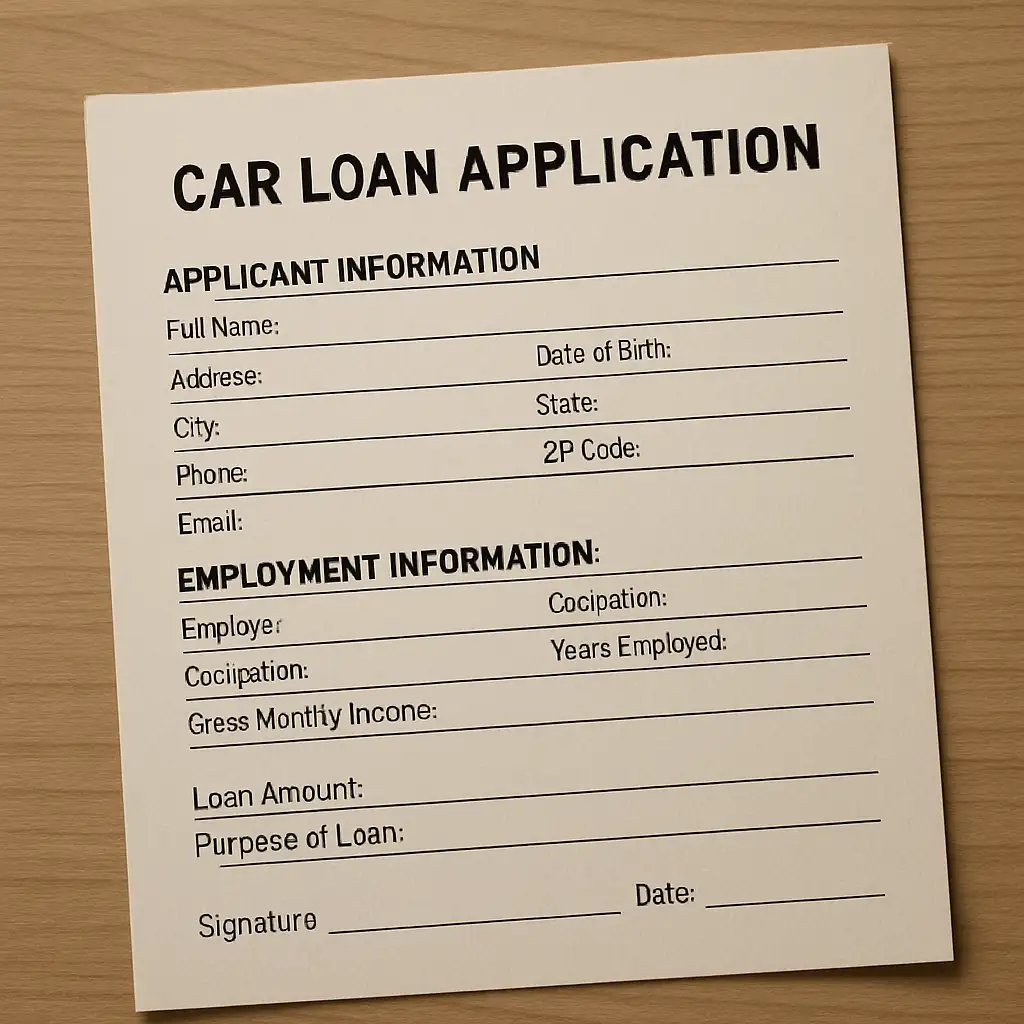
A car loan is a type of financing you obtain to purchase a vehicle. When you take out a car loan, you borrow money from a lender and agree to repay it over time, typically with interest. This allows you to spread the cost of the car over several months or years instead of paying the full price upfront. This financial tool is particularly helpful for those who cannot afford to pay for a car outright, allowing them to manage their cash flow more effectively.
Car loans are structured to make vehicle ownership accessible to a wider range of people. They come with various terms and conditions, which can be tailored to fit your financial situation. Understanding the intricacies of a car loan agreement is essential to avoid potential pitfalls such as high interest rates or unfavorable repayment terms. By being proactive and informed, you can secure a loan that aligns with your budget and financial goals.
How Car Loans Work
The process of getting a car loan in Brisbane generally involves the following steps:
- Determine Your Budget: Before applying for a loan, assess how much you can afford to spend on a car, including monthly payments, insurance, and maintenance costs. It’s crucial to consider all aspects of car ownership, not just the sticker price, to ensure you don’t overextend your finances.
- Check Your Credit Score: Lenders use your credit score to determine loan eligibility and interest rates. A higher score can lead to better loan terms. Regularly monitoring your credit score and addressing any discrepancies can improve your chances of securing favorable loan conditions.
- Choose a Lender: You can obtain a car loan from banks, credit unions, or online lenders. It’s wise to compare offers to find the best interest rate and terms. Each lender may offer different incentives, such as lower interest rates for automatic payments, so shop around to find the best deal.
- Loan Application: Submit an application with your chosen lender, providing necessary personal and financial information. Be prepared to provide documentation such as proof of income, employment history, and details about the vehicle you intend to purchase.
- Loan Approval: If approved, the lender will offer a loan amount, interest rate, and repayment term. Review these details carefully before accepting. It’s essential to understand all terms and conditions, including any fees or penalties for early repayment.
- Purchase the Car: Once you accept the loan, the lender will pay the car dealer, and you will begin making monthly payments to the lender. Timely payments are crucial to maintaining a good credit score and avoiding additional interest or penalties.
Key Terms in Car Loans
- Principal: The amount of money you borrow. This is the base amount of the loan and does not include interest or fees.
- Interest Rate: The percentage charged on the principal, which is the cost of borrowing the money. Interest rates can be fixed or variable, and understanding the difference is vital for financial planning.
- Term: The length of time you have to repay the loan, typically ranging from 36 to 72 months. Longer terms may lower your monthly payments but can increase the total interest paid over time.
- Monthly Payment: The amount you pay each month, including both principal and interest. This figure is crucial for budgeting and should be considered alongside other monthly expenses.
Understanding these key terms can help you evaluate and compare different loan offers, ensuring you choose the best option for your financial situation. Being informed allows you to engage in meaningful discussions with lenders and make confident decisions.
Understanding Car Insurance
Car insurance is a policy that protects you financially in case of accidents, theft, or damage to your vehicle. It’s a legal requirement in most places and provides peace of mind while driving. Without adequate insurance, you could face significant financial liability in the event of an accident or other unforeseen circumstances.
The primary purpose of car insurance is to mitigate financial risks associated with car ownership. It offers a safety net that covers various scenarios, protecting not only your vehicle but also other drivers and property. Understanding the different types of coverage available can help you tailor a policy that meets your specific needs and budget.
Types of Car Insurance Coverage
- Liability Insurance: Covers damages and injuries you cause to others in an accident. It’s mandatory in most states. This coverage is crucial for protecting your financial assets in the event of a lawsuit resulting from an accident.
- Collision Coverage: Pays for damage to your car resulting from a collision, regardless of who is at fault. This type of coverage is particularly beneficial for newer or more valuable vehicles, ensuring they can be repaired or replaced.
- Comprehensive Coverage: Covers non-collision-related incidents such as theft, vandalism, or natural disasters. Comprehensive insurance provides broad protection, safeguarding your investment from a wide range of potential threats.
- Personal Injury Protection (PIP): Covers medical expenses and lost wages for you and your passengers after an accident. This coverage can be a lifesaver in the event of serious injuries, helping to alleviate the financial burden of medical bills.
- Uninsured/Underinsured Motorist Coverage: Protects you if you’re involved in an accident with a driver who lacks sufficient insurance. This coverage ensures you’re not left with significant expenses due to another driver’s negligence.
Understanding the different types of coverage can help you choose a policy that provides adequate protection without unnecessary costs. Tailoring your insurance to your specific needs can lead to substantial savings and peace of mind.
Factors Affecting Car Insurance Premiums
Insurance premiums vary based on several factors, including:
- Age and Gender: Younger and male drivers often face higher premiums due to statistically higher accident rates. Insurance companies use demographic data to assess risk, and understanding these factors can help you anticipate potential costs.
- Driving Record: A clean driving history can lead to lower premiums, while a record with accidents or violations can increase costs. Regularly reviewing your driving record and addressing any inaccuracies can positively impact your premiums.
- Vehicle Type: More expensive or high-performance vehicles may cost more to insure. The make and model of your car play a significant role in determining insurance rates, so consider this when purchasing a vehicle.
- Location: Urban areas with higher traffic and crime rates may result in higher premiums. Insurance companies assess geographic risk factors, and being aware of these can help you understand your insurance costs.
- Credit Score: Insurers may use credit scores to assess risk, with higher scores potentially leading to lower premiums. Maintaining a good credit score can benefit you not just in obtaining loans but also in securing affordable insurance rates.
By understanding these factors, you can take proactive steps to manage your insurance costs effectively. Regularly reviewing your policy and making necessary adjustments can lead to significant savings over time.
Car Loans and Insurance Together
When purchasing a car, it’s important to consider both the loan and insurance aspects together. Here are some tips to manage both effectively:
Combine Loan and Insurance Payments
Some lenders offer bundled packages that include both auto loans and insurance. This can simplify your monthly payments and sometimes offer discounts. Bundling can be a convenient option, reducing the administrative burden of managing multiple payments and potentially saving you money.
When considering a bundled package, it’s essential to compare the terms and conditions with separate loans and insurance policies. Ensure that the convenience and potential discounts outweigh any limitations or costs associated with the bundle.
Consider Gap Insurance
If you finance a car, gap insurance can be beneficial. It covers the difference between the car’s value and the loan amount if the vehicle is totaled or stolen. This ensures you won’t owe money on a car you no longer have. Gap insurance can be particularly valuable for new cars, which can depreciate quickly after purchase.
Understanding the terms of gap insurance and how it fits into your overall insurance strategy can prevent financial loss in the event of a significant incident. It’s an additional layer of protection that can offer peace of mind for many car owners.
Shop Around for the Best Deals
Just like with loans, it’s crucial to compare insurance quotes from multiple providers. This can help you find the best coverage at the most affordable price. Each insurance company evaluates risk differently, so obtaining quotes from several providers can lead to substantial savings.
When shopping for insurance, consider factors such as coverage limits, deductibles, and customer service reputation. Balancing cost with quality of service ensures you get the best value for your money.
Review and Adjust Coverage
As your car ages and its value decreases, you may want to adjust your insurance coverage to reflect its current worth, potentially saving on premiums. Regularly reviewing your policy ensures it aligns with your current needs and financial situation.
Adjusting your coverage can involve increasing deductibles to lower premiums or dropping certain types of coverage if they no longer provide value. Staying proactive with your insurance policy can lead to long-term savings and optimal protection.
Conclusion
Understanding car loans and insurance is essential for anyone looking to purchase a vehicle. By familiarizing yourself with the basics, you can make informed decisions, find the best deals, and ensure you’re adequately protected on the road. Whether you’re a first-time buyer or looking to upgrade, this knowledge will serve you well in navigating the financial landscape of car ownership.
Remember, a little research goes a long way in securing a favorable loan and comprehensive insurance coverage. Happy car shopping! Taking the time to educate yourself on these topics will pay off in the form of financial savings and peace of mind, allowing you to enjoy your new vehicle without unnecessary stress.