-
Monday - Friday 08:00 to 17:00
Secured vs Unsecured Personal Loans Explained
The secured vs unsecured personal loan choice comes down to a single trade-off. Offering an asset as security usually cuts your interest rate, but it gives the lender the right to take that asset if you cannot repay.
A secured loan is backed by an asset and costs less, but the asset is at risk. Unsecured costs more, settles faster and puts nothing on the line.
Unsecured lending costs more and leans entirely on your credit profile, but nothing of yours is on the line. This guide explains both, what can be used as security, and which suits different purposes.
Key Highlights
- A secured personal loan is backed by an asset, most commonly a vehicle, which lowers the rate.
- An unsecured personal loan has no asset attached, so the lender relies on your income and credit history.
- Secured lending generally allows larger amounts and longer terms than unsecured lending.
- If you default on a secured loan, the lender can repossess and sell the asset.
- Unsecured approval leans heavily on your credit score, so a strong file matters more.
- Unsecured loans are usually faster to settle, because there is no asset to value or register.
- Compare on the comparison rate, which includes standard fees, rather than the headline rate.
Quick Summary
In secured vs unsecured personal loan terms, secured means an asset backs the loan, giving you a lower rate but putting that asset at risk. Unsecured costs more, settles faster, and puts nothing on the line.
The rate difference is real, but so is the risk. Never secure a loan against something you cannot afford to lose just to shave a little off the repayment.
Philip Jenkins, A Loan For You

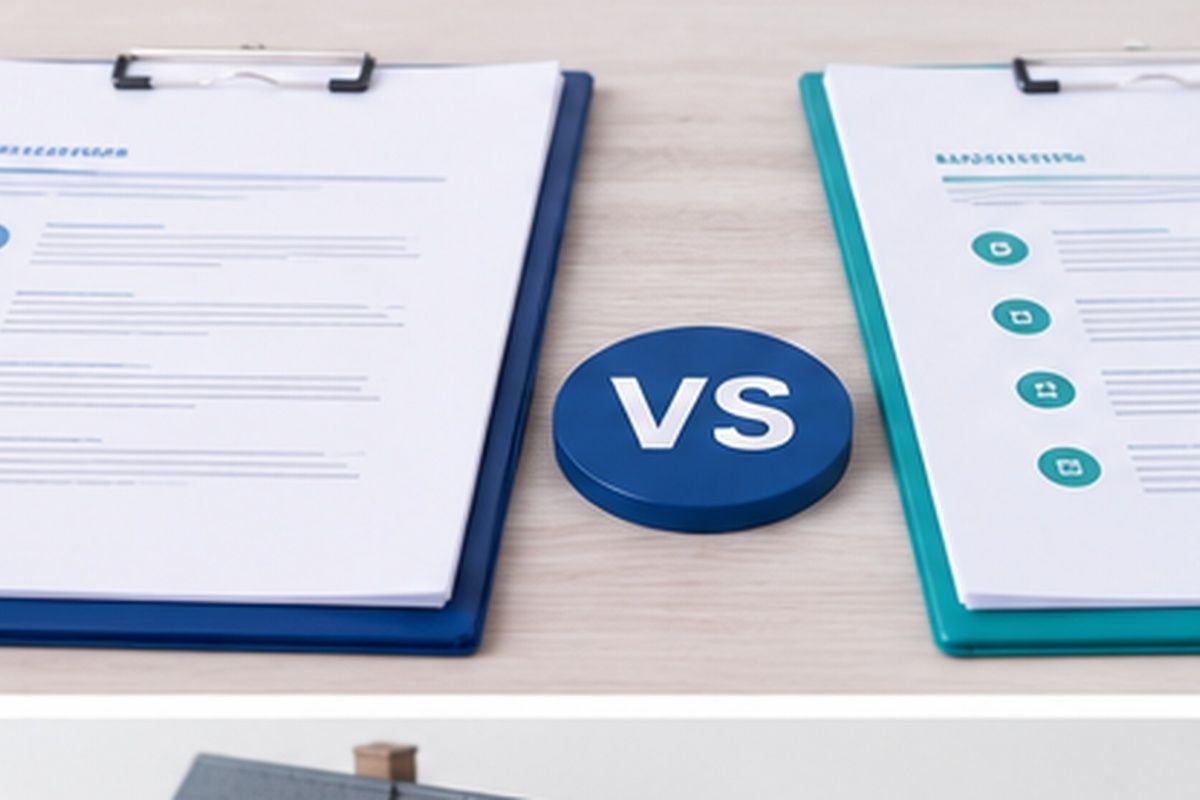
Secured vs Unsecured Personal Loan at a Glance
| Feature | Secured | Unsecured |
|---|---|---|
| Security required | Yes, usually a vehicle | None |
| Interest rate | Lower | Higher |
| Typical amounts | Larger | Smaller |
| Typical terms | Longer | Shorter |
| Approval speed | Slower, asset must be assessed | Usually faster |
| Risk to you | The asset can be repossessed | No asset at risk |
| Credit score weight | Important | Very important |
How a Secured Personal Loan Works
You offer an asset as security, and the lender registers an interest over it. Because the lender has something to recover if things go wrong, the rate is lower.
- Vehicles are by far the most common security.
- The security is registered, so you cannot freely sell the asset while the loan runs.
- The lender can repossess and sell the asset if you default.
The asset usually needs to meet the lender’s criteria on age and condition, which is why not every car qualifies as security.
How an Unsecured Personal Loan Works
No asset is attached. The lender assesses your income, expenses and credit history, then prices the loan according to the risk you represent.
- Nothing you own is at risk if you fall behind.
- Approval and settlement are usually quicker.
- The funds can be used flexibly, without being tied to a purchase.
What the Rate Difference Is Worth
The gap between secured and unsecured pricing can be substantial, particularly on larger amounts over longer terms.
- On a small, short loan, the dollar difference may be modest.
- On a larger loan over several years, it can be significant.
- Always compare the total repaid, not just the monthly figure.
Work out the actual dollar saving before deciding. If it is small, the flexibility of unsecured lending may be worth more than the discount.
What Can Be Used as Security?
Options are narrower than most borrowers expect, and vary between lenders.
- A vehicle, usually within a set age limit, is the standard option.
- Some lenders accept a term deposit or savings held with them.
- Boats, caravans and motorcycles are accepted by some lenders.
Which Suits Your Purpose?
Match the structure to what you are actually buying. That single question answers most secured vs unsecured personal loan decisions.
- Buying a car: a secured loan against that car is usually cheapest.
- Consolidating debts: unsecured is common, since there is no asset involved.
- A wedding, medical cost or travel: unsecured, as nothing is being purchased as security.
- Renovating: unsecured, or a home loan increase if you have equity.
If you are consolidating, our guide to debt consolidation compares the options in more detail.
How Your Credit Profile Changes Things
Your credit history matters for both, but it carries far more weight when there is no security behind the loan.
- A strong file opens up the sharpest unsecured pricing.
- Recent defaults or missed payments narrow your options considerably.
- Offering security can help approval if your file has some marks.
Fees and Early Repayment
Rate is not the only cost. Two loans at the same rate can differ noticeably once fees are counted.
- Establishment fees are common on both types.
- Some loans charge a monthly account-keeping fee.
- Check whether early repayment attracts a fee, especially on fixed rate loans.
Questions to Ask Before You Sign
A few direct questions surface most of what matters, whichever structure you choose.
- What is the comparison rate, and what fees does it include?
- What is the total amount I will repay over the full term?
- Can I repay early without a penalty?
- Exactly what happens if I miss a repayment?
If you are comparing borrowing options generally, our guide to personal loans versus credit cards covers when each is cheapest.
Frequently Asked Questions
What is the difference between a secured and unsecured personal loan?
In secured vs unsecured personal loan terms, a secured loan is backed by an asset such as a vehicle, which lowers the rate but allows repossession on default. An unsecured loan has no asset attached and costs more.
Is a secured loan always cheaper?
Usually the rate is lower, but not always by enough to matter. On a small, short loan the dollar saving may be modest. Compare the total repaid over the full term before deciding it is worth the risk.
What can I use as security?
A vehicle within the lender’s age limits is the standard option. Some lenders accept a term deposit, and a few accept boats, caravans or motorcycles. Criteria vary considerably between lenders.
Can the lender take my car if I miss a payment?
On a secured loan, the lender can ultimately repossess the asset if you default, though there is a process before that point. Contact your lender early if you are struggling, as hardship arrangements may be available.
Does an unsecured loan need a good credit score?
It carries more weight than on a secured loan, because the lender has nothing to recover. A strong file opens the sharpest pricing, while recent defaults narrow your options or push you toward specialist lenders.
Which is faster to get approved?
Unsecured is usually quicker, because there is no asset to value or register. Secured lending takes a little longer while the lender assesses the security, though it is still measured in days rather than weeks.
Should I secure a personal loan against my home?
Be very cautious. It converts a short-term debt into one attached to your property, which raises the consequences of falling behind. If you have equity, a structured home loan increase is often a better conversation.
How do I compare two loan offers properly?
Use the comparison rate, which includes standard fees, and compare the total amount repaid over the full term. Also check establishment fees, monthly fees, and whether early repayment attracts a penalty.
Talk to a Brisbane Personal Lending Specialist
The right secured vs unsecured personal loan choice depends on what you are buying and what the rate difference is actually worth. A Loan For You compares both properly before you commit.
- Free, no-obligation review of your personal lending options.
- Access to 50+ lenders across secured and unsecured products.
- Local Brisbane brokers serving Chermside, Redcliffe, North Lakes and beyond.
Reviewed and Verified
This guide was reviewed by Philip Jenkins, principal broker at A Loan For You (Credit Representative 365865). With almost 20 years structuring personal lending for Brisbane clients, Philip keeps every point aligned with current lender practice.

Renvo is a clean, modern, and fully responsive WordPress theme designed specifically for construction, industry, and factory websites.
Contact Info:
-
Address: 5th Street, 21st Floor, New York, USA
-
Email: info@example.com
-
Phone: (888) 4567890