-
Monday - Friday 08:00 to 17:00

How Much Deposit Do First Home Buyers Need in Brisbane?
The first home buyer deposit Brisbane buyers need is far smaller than most people think. Thanks to low-deposit schemes, many first home buyers now get into the market with 5% down, and some with just 2%, rather than the traditional 20%.
Your deposit depends on the scheme you use, the price of the home, and your lender. This guide breaks down exactly how much you need in 2026, what counts as savings, and how to get there faster.
Key Highlights
- Traditionally you need a 20% deposit to avoid Lenders Mortgage Insurance, which is about $140,000 on a $700,000 home.
- With the First Home Guarantee, eligible first home buyers can buy with a 5% deposit and no LMI.
- Single parents may buy with a 2% deposit under the Family Home Guarantee, and Boost to Buy also needs just 2%.
- Most lenders want part of your deposit as genuine savings, built up over three months or more.
- Gifts from family and guarantor arrangements can cover some or all of your deposit.
- In Brisbane, new-home first home buyers often pay no stamp duty, which frees up more cash for the deposit.
- Beyond the deposit, budget for legal fees, building and pest inspections and moving costs.
Quick Summary
In 2026, the first home buyer deposit Brisbane buyers need can be as low as 5% with the First Home Guarantee, or 2% with the Family Home Guarantee or Boost to Buy. A 20% deposit avoids LMI but is no longer essential to get in.
Most first home buyers wait far too long chasing a 20% deposit. With today's schemes, a 5% deposit in Brisbane is often enough to buy safely and stop paying rent.
Philip Jenkins, A Loan For You

First Home Buyer Deposit Brisbane at a Glance
| Path | Deposit needed | LMI |
|---|---|---|
| Standard loan | 20% | None |
| First Home Guarantee | 5% | None (guaranteed) |
| Family Home Guarantee | 2% | None (guaranteed) |
| Boost to Buy | 2% | None (shared equity) |
| Low deposit, no scheme | 5% to 10% | Payable |

How Much Is a First Home Buyer Deposit Brisbane?
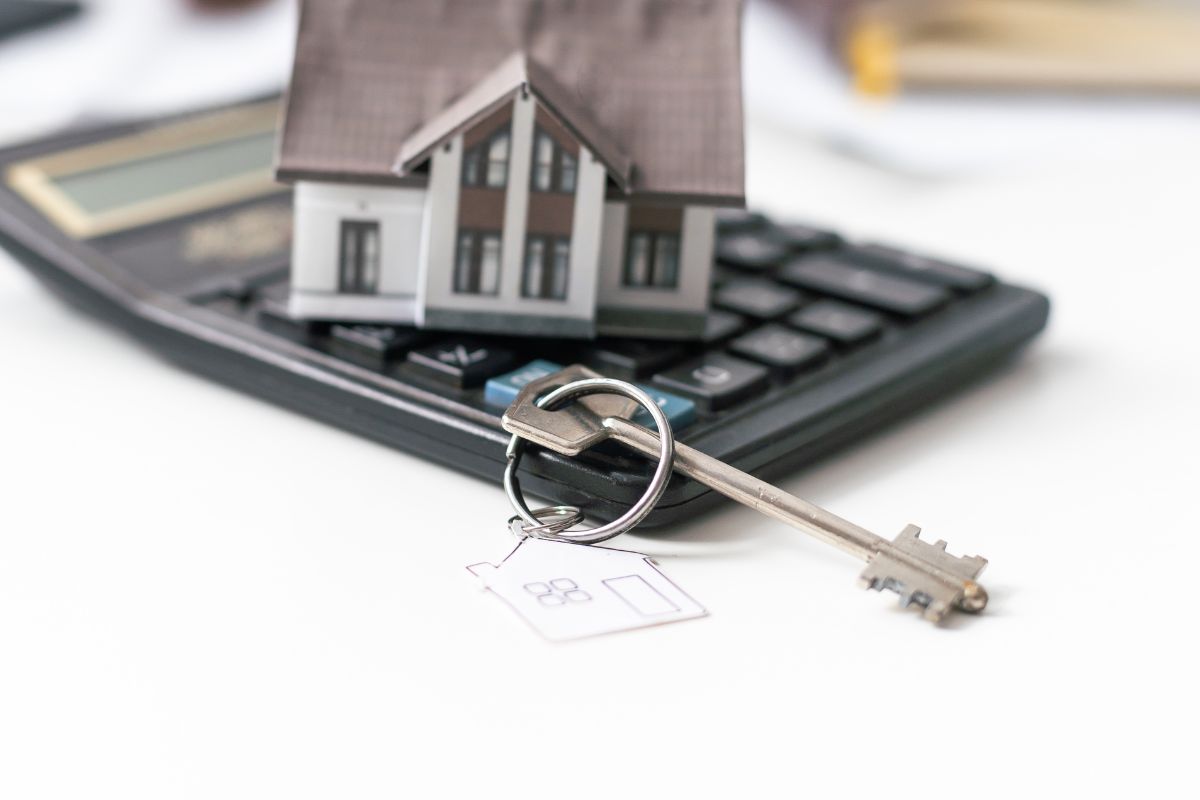
It depends on how you buy. The deposit is a percentage of the purchase price, so the same home needs very different cash depending on the scheme you use.
- 20% deposit: $140,000 on a $700,000 home, and no LMI to pay.
- 5% deposit: $35,000 on the same home, using the First Home Guarantee.
- 2% deposit: $14,000 using the Family Home Guarantee or Boost to Buy.
So a 5% deposit first home buyer can enter the market with a quarter of the cash a traditional buyer needs, and still avoid mortgage insurance.
First Home Buyer Deposit Brisbane by Home Price
The deposit scales with the price. Here is roughly what you would need at common Brisbane price points under each path, before other costs.
| Purchase price | 20% deposit | 5% deposit | 2% deposit |
|---|---|---|---|
| $500,000 | $100,000 | $25,000 | $10,000 |
| $650,000 | $130,000 | $32,500 | $13,000 |
| $800,000 | $160,000 | $40,000 | $16,000 |
| $1,000,000 | $200,000 | $50,000 | $20,000 |
As the table shows, a scheme-backed deposit turns a six-figure hurdle into something far more achievable for most working buyers. It also means you keep more savings as a buffer for the other costs of buying and settling in.
The 20% Deposit Rule and LMI
Lenders see a smaller deposit as higher risk, so with less than 20% down they usually charge Lenders Mortgage Insurance. This protects the lender, not you, and can add thousands to your costs.
On a $700,000 home, LMI can run from $20,000 to $28,000. Low-deposit schemes remove this cost by having the government guarantee the shortfall instead.
First Home Buyer Deposit Brisbane With 5% Down
The First Home Guarantee is the most popular low-deposit path. Eligible first home buyers buy with a 5% deposit, pay no LMI, and the government guarantees the gap to 20%.
- You need a 5% deposit, about $35,000 on a $700,000 home.
- You pay no Lenders Mortgage Insurance, saving thousands upfront.
- Homes up to $1,000,000 in Brisbane are eligible under the scheme.
Read our full guide to the First Home Guarantee for eligibility and how to secure a place through a panel lender.
Genuine Savings for Your First Home Buyer Deposit Brisbane
Many lenders want to see that part of your deposit is genuine savings – money you have built up yourself, rather than a sudden lump sum. It shows you can manage regular repayments.
Read our full guide to the First Home Guarantee for eligibility and how to secure a place through a panel lender.
- Genuine savings usually means funds held or accumulated over at least three months.
- Regular deposits into a savings account are the clearest form of genuine savings.
- A first home savings record can also strengthen your loan application.
Can You Use a Gift or Guarantor?
Yes. Family help is common and can cover part or all of your deposit, which can bring your purchase forward by years.
- Gifted deposit: a family member gives you funds, usually with a simple gift letter.
- Guarantor loan: a parent uses equity in their home as extra security, often removing LMI.
- Combined help: a small saved deposit plus a gift can still meet genuine savings rules.
Deposit Plus the Other Upfront Costs
Your deposit is not the only cash you need at settlement. Budgeting for the extras avoids nasty surprises late in the process.
- Stamp duty: often $0 for first home buyers on new homes in Queensland.
- Legal or conveyancing fees: usually $1,000 to $2,500.
- Building and pest inspection: around $400 to $700.
- Loan and moving costs: application fees, removalists and connections.
How to Save Your Deposit Faster
Even a 5% deposit takes planning. A few habits can shorten the time it takes to reach your target.
- Automate a set transfer to savings on every payday.
- Use the First Home Super Saver Scheme to save inside super, tax-effectively.
- Cut one or two large recurring costs and redirect them to your deposit.
- Track your spending so your genuine savings record stays consistent.
Common Deposit Mistakes
A few avoidable errors can slow you down or cost you a loan approval.
- Assuming you must have a full 20% deposit before you can buy.
- Emptying your savings and leaving nothing for the other upfront costs.
- Relying on a lump sum with no genuine savings history.
- Choosing a home above your scheme's price cap by mistake.
Is a Low Deposit Right for You?
A low deposit gets you in sooner, but it means a larger loan and higher repayments. The right choice depends on your income, job security and goals.
- Good fit: stable income, secure work, and you want to stop paying rent now.
- Worth care: variable income or a tight budget, where a larger buffer helps.
- Compare both: if you are close to 20%, weigh buying now against waiting.
A broker can model a 5% deposit first home buyer scenario against a 20% one, so you buy within a comfortable budget.
Frequently Asked Questions
How much is a first home buyer deposit in Brisbane?
With the First Home Guarantee, the first home buyer deposit Brisbane buyers need is 5%, about $35,000 on a $700,000 home. The Family Home Guarantee and Boost to Buy need just 2%. A 20% deposit avoids LMI but is no longer essential.
Can I buy a home in Brisbane with a 5% deposit?
Yes. Eligible first home buyers can buy with a 5% deposit and no LMI using the First Home Guarantee, on homes up to $1,000,000 in Brisbane. Some lenders also offer low-deposit loans outside the scheme, but LMI usually applies. A broker can tell you quickly which path fits your income and savings.
What is the minimum deposit to buy a home?
The minimum deposit to buy a home as a first home buyer can be as low as 2% under the Family Home Guarantee or Boost to Buy. Without a scheme, most lenders want at least 5%, plus LMI.
Do I need genuine savings for a home loan?
Often, yes. Many lenders want part of your deposit as genuine savings built up over three months or more. Rules vary, and some lenders accept gifts or accept a smaller genuine savings amount, so advice helps.
Can my parents help with my deposit?
Yes. Parents can gift funds toward your deposit with a gift letter, or act as guarantor using equity in their home. A guarantor can also help you avoid LMI even with a small deposit.
How much do I need beyond the deposit?
Budget for legal fees, a building and pest inspection, loan costs and moving. On a new home you often pay no stamp duty, but on an established home a concession or duty may apply.
Is a 20% deposit still worth it?
A 20% deposit avoids LMI and means a smaller loan and lower repayments. But for many buyers, using a 5% deposit scheme to buy sooner beats spending years saving while prices rise, since a rising market can outpace what you add to your deposit.
How long does it take to save a first home deposit?
It varies with your income and target. A 5% deposit first home buyer needs far less than a 20% buyer, so many reach their goal in one to two years, especially using the First Home Super Saver Scheme. Automating your savings and cutting one or two big costs can speed this up noticeably.
Talk to a Brisbane First Home Buyer Specialist
Working out the smallest safe first home buyer deposit Brisbane lenders will accept is where a broker saves you time and money. A Loan For You matches your deposit to the right scheme and lender.
- Free, no-obligation deposit and borrowing assessment.
- Access to 50+ lenders, including guarantee and low-deposit specialists.
- Local Brisbane brokers serving Chermside, Redcliffe, North Lakes and beyond.
Reviewed and Verified
This guide was reviewed by Philip Jenkins, principal broker at A Loan For You (Credit Representative 365865). With almost 20 years helping Brisbane first home buyers structure their deposits and loans, Philip keeps every figure aligned with current lender policy.
A Loan For you is a Local Brisbane mortgage and finance brokers, comparing 50+ lenders to find the right loan for you, with no fees for our service.
Contact Info:
-
Address: 20 Arundel St, Brighton QLD 4017
-
-
Phone: 0405 409 922